Should there be a new naturalization rule in FIBA?
Should there be a new naturalization rule in FIBA?
04/03/2026
What does recent Eurobasket winners Germany, Slovenia, Spain have in common? And not only them, but other European basketball powerhouses like Greece, Turkey, Italy… naturalized players. A foreign-born player who has been granted a passport after the age of 18 is allowed to compete in FIBA competitions. Only 1 player per team is allowed to compete in a single game. Most of the national teams use this rule to acquire, mostly, American players with experience in Euroleague or other national leagues. Is this an overpowered rule to grant citizenship to some player who has nothing to do with the country? Maybe it is the way to integrate some crucial experience for not so developed basketball systems in some countries.
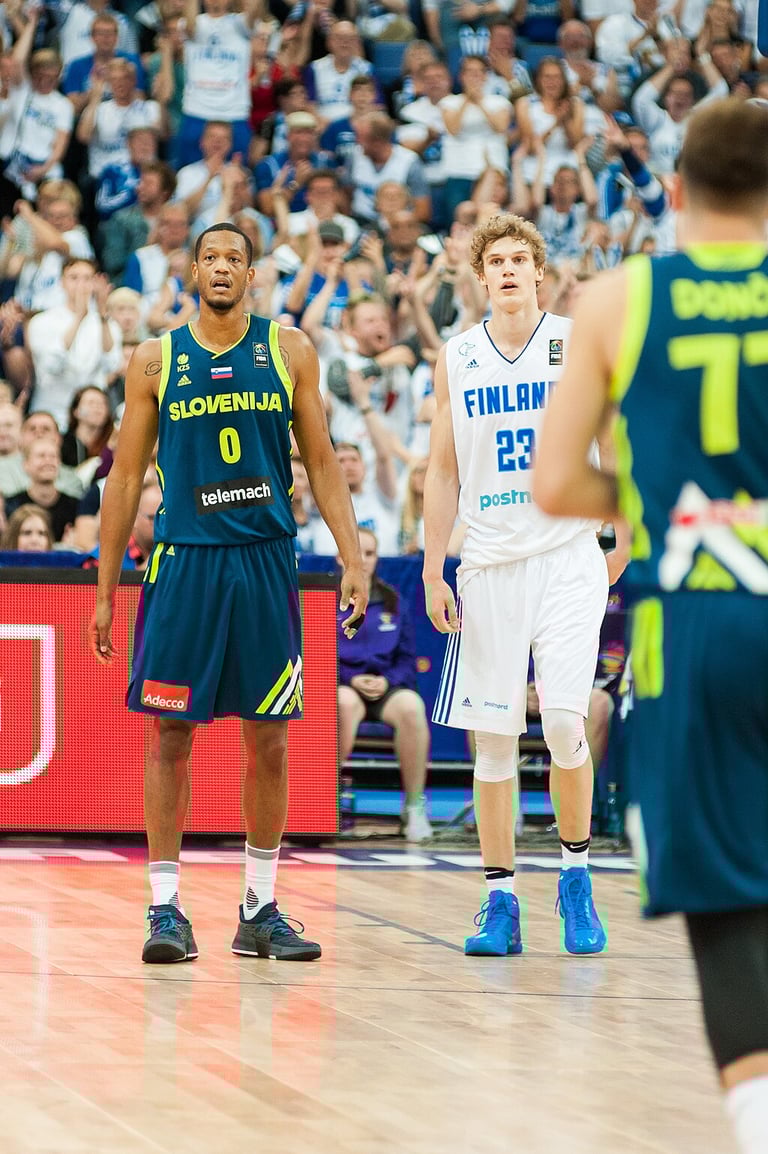
Spain in 2022 with Lorenzo Brown, Slovenia in 2017 with Anthony Randolph or Russia in 2007 with J.R. Holden. Those are just some of the Eurobasket winners with naturalized players in their rosters. In the past years this rule has allowed even more teams to integrate this strategy of “recruiting” a foreign-born player in their national rosters. In 2025 Eurobasket there were 10 naturalized players which equates to 1 player per team, so almost half of the teams that participated. If in the past federations tried to find an American or other foreign players with actual bloodline or connection to country, then now it feels like a contest to find an American who is not good enough to play in USA national team and to gift him the passport in as less days before the tournament as possible. Lorenzo Brown or Jordan Loyd - best examples of this rule recently. Both recruited to their national teams not even month before the Eurobasket tournament started, and what a surprise…both were the leaders of their teams. No connections, no marriage, no grandfathers/grandmothers, nothing. None of them had even played in countries they represented. Just a simple question: “Do you want to play for our national team?”
There are different perspectives on how countries look at this rule. For some it is an opportunity to acquire great talent. Interestingly this player naturalization happens in countries with big player pools. Most notable is Spain, with great local players and a massive pool of national players to choose from. But still, this doesn’t stop them from persuading some foreign-born talent, like the mentioned Lorenzo Brown. Opposite to this, other countries with less population tend to stick to their national players and not recruit any foreign players - Serbia, Lithuania, Latvia, Finland. Then there are countries who need these naturalized players, because they simply are even worse without them - Portugal, Cyprus, Azerbaijan, Bosnia and Herzegovina.
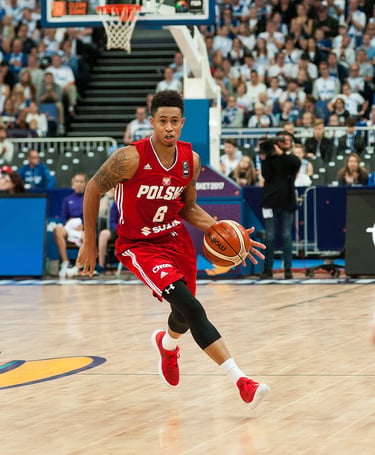
I think the most ironic and beautiful story is with the Polish National team. Their governments negative stance against immigrants and foreigners has led to having an Afro-American player as leaders on their national basketball team. For 20 years Poland has been the bottom table team in international tournaments. But in 2019 World Cup they finally proved to be a force to reckon with - 8th place in the world. Since then, the results have been great to say the least. Poland finished 4th in 2022 Eurobasket and 6th in 2025. This is an example where naturalized players can help immensely and put the countries on the map.
As we can see, player naturalization can help push for better results, but we need to look deeper at the core, because these players can hand over massive amounts of experience and improve the basketball system in countries with not so developed training and coaching systems. In Poland’s story this definitely helped with popularizing the sport in country which correlates to financial gain for basketball and government or federation involvement for the future of this sport. It also helps these American players to gain the citizenship to not be considered a foreign player in European domestic leagues, so the club can get even more over-sea’s players, because of the foreign player limits.
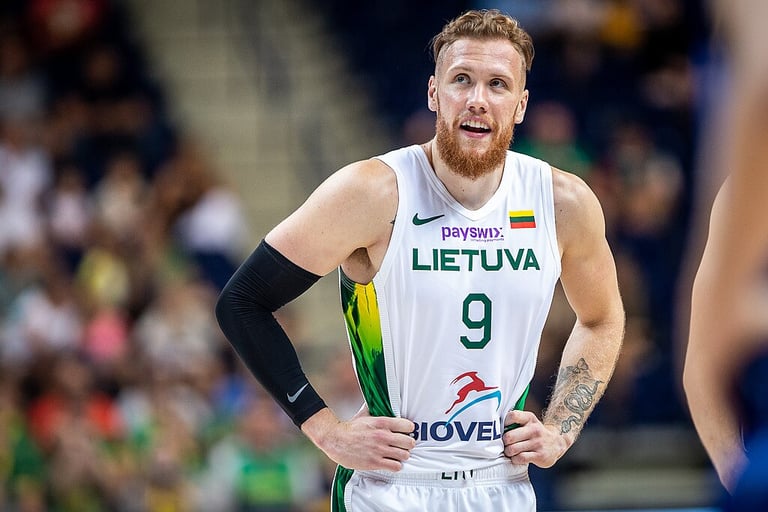
Augustas Didžgalvis, CC BY-SA 4.0, via Wikimedia Commons
Tuomas Vitikainen, CC BY-SA 4.0, via Wikimedia Commons
The negatives of this are that some national teams massively rely on these naturalized teams and they are the sole reason for good results. This just shows that you need to have a naturalized player to help your team or otherwise you are going to lose. And it feels inevitable to join this club of teams with naturalized players, because if it helps them, it should help us as well, right?
Then it becomes a question of pride and dignity, countries like Serbia have said that they will never use this rule to acquire a naturalized player because it defeats the purpose of a national team.
And I think I agree - national teams should consist only of said countries born players. And these rules should change because if we compare two players - Lorenzo Brown (Spain) and Ignas Brazdeikis (Lithuania) - first one is an American with no connections whatsoever with Spain and other one is born in Lithuania with both parents being Lithuanian but emigrated to Canada at the age of 2. Both players are in one category - naturalized player by FIBA standards. Naturalization rules should be changed and people with real and provable ties to the country should be the only option or at least make an exception for players that have played basketball professionally and lived in the country for quite some time (like Shane Larkin). None of this nonsense of granting players citizenship one month before the tournament.
The sole purpose of international basketball is to show how good your country is at throwing the orange ball in the basket. How capable is your basketball system, youth sports system, coaching capabilities.
If you can’t produce world-class players, then you are simply not good enough at that time. International sports stage in general just shows how countries develop their athletes and it is never about who has the most people but about the traditions, system, training and so on.
I didn’t write this because I am salty that my country lost to a naturalized player. (I did)

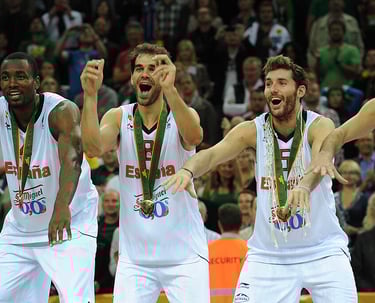
Christopher Johnson, CC BY-SA 2.0, via Wikimedia Commons
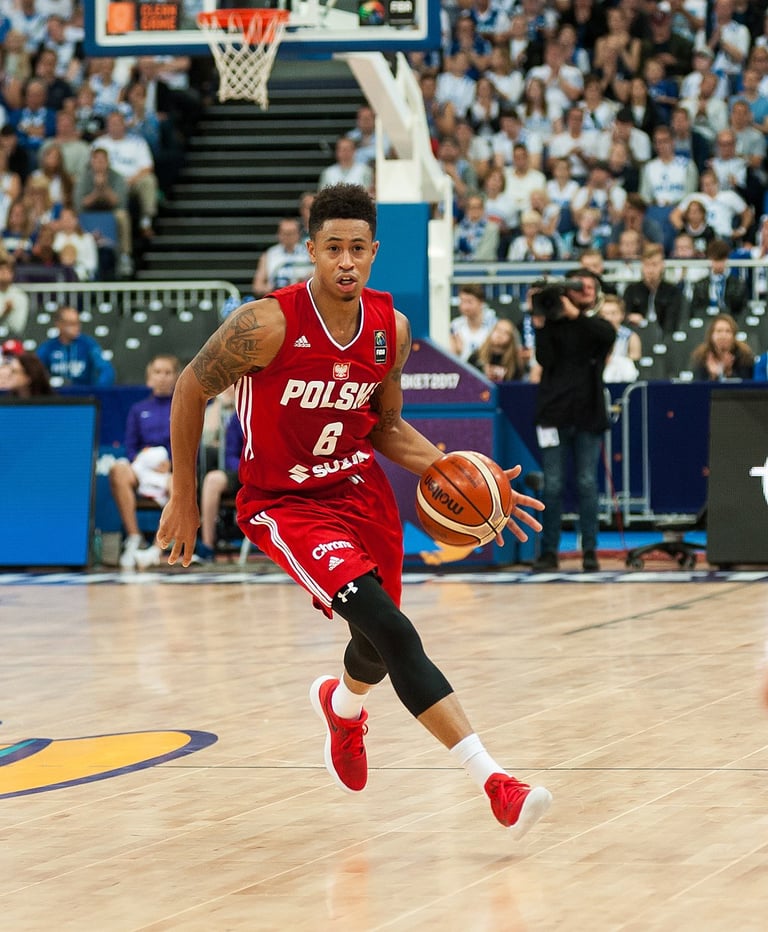
Tuomas Vitikainen, CC BY-SA 4.0, via Wikimedia Commons